
 Slovenščina
 Hrvatski
 Italiano
 Deutsch


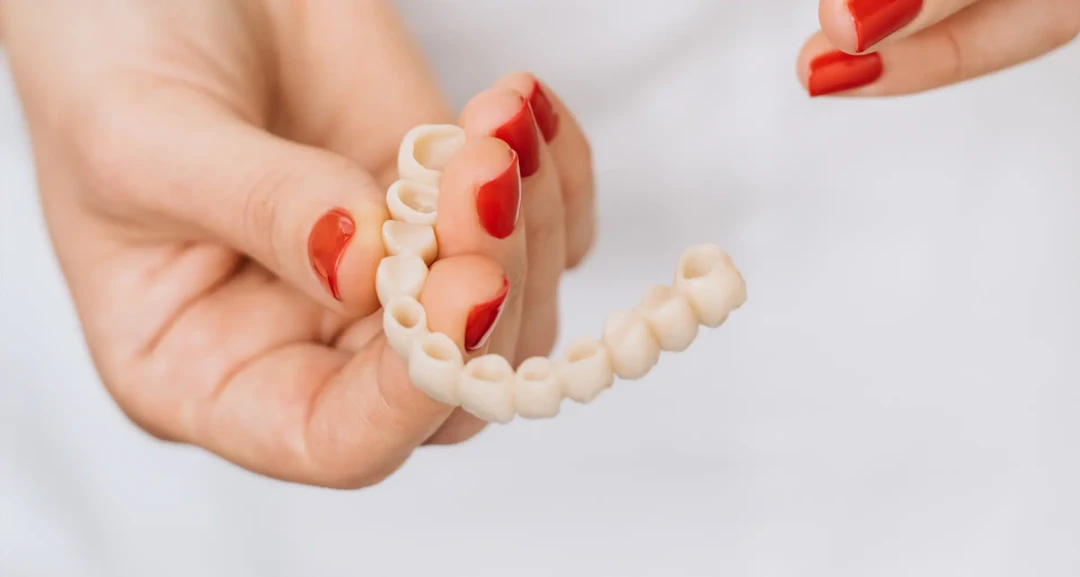
Dental bridges
in Zagreb, Croatia

WHAT ARE DENTAL BRIDGES?
Bridges are fixed prosthetic replacements and are made in situations when the patient suffers from one or more missing teeth but at the same time has a number of teeth which can be carriers and support the entire bridge. Bridges, as well as dental crowns, are made in our dental laboratory.
Book your appointment
Procedure description
Verify our expertise














When is a bridge the right solution for you?
A bridge is a right solution when:
- A greater number of teeth are missing
- There is a need to strengthen the natural teeth due to receding gums
- Improving the esthetic appearance of teeth and smile
Book your appointment
Thanks to today’s achievements in dentistry, fixed work is possible in toothless jaws.
By installing four or six implants in one toothless jaw, it is possible to create a fixed work or a fixed bridge of 10 or 12 pieces (crowns) where the patient is given a full sense of naturalness and functionality of natural teeth and can normally eat and drink after the work is completed.
Metal-ceramic bridges represent the type of prosthetic work where ceramics are connected with a metal base and today such crowns and bridges are standard in dental prosthetics because of their reasonable prices, excellent properties such as strength and durability, and a solid esthetic component. The metal base provides stability and strength to the teeth and ceramics imitate the shape and color of teeth.
Bridges made entirely of ceramics represent the best solution for perfect esthetics of teeth. Completely ceramic or zirconium bridges with their color, translucency, and transparency (way of deflecting and reflecting light) validate all optical characteristics of real teeth, resulting in a bridge that cannot be distinguished from the natural teeth. E-max and Empress ceramics, which are used in the frontal (front) regions, have a strength three times greater than tooth enamel so the possibility of such bridges cracking is minimal. Metal-ceramic and full ceramic (zircon) bridges, equally functionally meet the needs of patients, but if the patient desires esthetic perfection, then the best choice is a non-metal, zircon bridge that meets the highest standards when it comes to the esthetic dentistry.

WHY WOULD YOU NEED A DENTAL BRIDGE?
Bridges are commonly used when teeth in the dental arch should be replaced or some teeth are very weak, which means the others need to carry them. In order for the dentist to assess this situation and propose making the bridge, it is necessary to come in for an examination during which detailed diagnostics are performed and after this, the doctor can suggest to the patient what the best solution would be.
Our experts


Content approved by:
Elena Štimac Vukojević
DMD, dental prosthetics specialist
on 1 October 2026
FREQUENTLY ASKED QUESTIONS ABOUT DENTAL BRIDGES – FAQ
Dental bridges typically last between 10 and 15 years, although with proper oral hygiene and regular dental check-ups, they can last for 20 years or longer. Their lifespan depends on the materials used, the condition of the supporting teeth, bite alignment, and daily oral care.
Getting a dental bridge typically takes 7–14 days, depending on the number of teeth being replaced, the materials selected, and whether additional dental treatments are required before the bridge can be fitted.
No. At Štimac Dental Center, patients receive a temporary dental restoration while their permanent dental bridge is being made.
Depending on the treatment plan, patients may receive a chairside temporary bridge made from composite materials or a laboratory-made temporary bridge.
Chairside temporary restorations are generally intended for short-term use, while laboratory-made temporary bridges are custom-designed and can remain in place for several months when necessary.
These temporary solutions help maintain the appearance of your smile and protect the prepared teeth until the permanent ceramic bridge is ready.
Yes, a traditional dental bridge supported by natural teeth requires preparation of the supporting teeth. These teeth are carefully reshaped to accommodate the dental crowns that hold the bridge in place.
However, implant-supported dental bridges do not require grinding down adjacent healthy teeth, as they are attached directly to dental implants placed in the jawbone.
Yes, a dental bridge can replace one or several missing teeth. It consists of connected dental crowns and artificial teeth designed to restore the appearance and function of your natural teeth.
The number of units and the type of support required depend on the condition of the remaining teeth, jawbone, and the patient's individual treatment plan.
A traditional dental bridge is supported by natural teeth, which are prepared to hold the crowns that anchor the bridge.
An implant-supported dental bridge is attached to dental implants placed in the jawbone, eliminating the need to reshape adjacent healthy teeth. Both options replace missing teeth and help maintain proper tooth alignment, while implant-supported bridges also provide independent support without relying on neighboring natural teeth.
Dental bridges can be made from porcelain-fused-to-metal (PFM), zirconia, or all-ceramic materials, including Empress and E.max ceramics.
Porcelain-fused-to-metal bridges have a long clinical history and offer strength and durability, making them a suitable option for restoring back teeth.
All-ceramic bridges provide excellent aesthetics by closely resembling the color and translucency of natural teeth, although their suitability depends on the location and size of the restoration.
Zirconia dental bridges combine strength, durability, and natural-looking aesthetics. They are commonly used in modern restorative dentistry and can be manufactured with high precision using CAD/CAM technology.
The best material for a dental bridge depends on the location of the missing teeth, bite forces, aesthetic expectations, and individual dental needs.
Porcelain-fused-to-metal bridges are known for their strength and long-term clinical performance. Zirconia bridges offer an excellent balance of durability and aesthetics, while all-ceramic bridges can provide highly natural-looking results in suitable cases.
At Štimac Dental Center, the most appropriate material is selected following a dental examination and consultation, taking into account the patient's needs and preferences.
Tooth preparation for a dental bridge is performed under local anesthesia, helping ensure that patients do not experience pain during the procedure.
Some temporary tooth or gum sensitivity may occur afterward, depending on the extent of preparation and individual sensitivity.
Some patients may require additional dental treatment before a dental bridge can be placed.
If a supporting tooth has decay, a large filling, or significant structural damage, it may need to be restored and prepared first.
In certain cases, root canal treatment or a dental core build-up may be necessary to provide adequate support for the bridge.
Most patients adjust to a new dental bridge within a few days after permanent cementation.
During this period, you may notice slight differences when chewing or speaking. As you become accustomed to the restoration, the bridge should feel increasingly natural and help restore normal chewing function.
Dental bridges require daily oral hygiene, just like natural teeth. Brush your teeth twice a day and carefully clean around and underneath the bridge using dental floss, floss threaders, or interdental brushes recommended by your dentist.
Mouthwash may also be used as part of your oral hygiene routine when recommended.
Poor oral hygiene can lead to gum inflammation, gum recession, plaque and tartar buildup, and tooth decay around the supporting teeth. Regular professional dental check-ups are essential for maintaining a healthy and long-lasting dental bridge.
Leaving a missing tooth untreated can lead to changes in tooth alignment and oral function. Over time, neighboring teeth may gradually shift or tilt into the empty space, potentially affecting your bite.
Missing teeth can also make chewing more difficult and, in some cases, contribute to uneven bite forces, jaw discomfort, and changes in facial appearance.
Replacing missing teeth with a dental bridge or dental implants can help restore chewing function, maintain tooth alignment, and improve the appearance of your smile.
Dental bridges at Štimac Dental Center are custom-made in our in-house dental laboratory using modern CAD/CAM technology.
Close collaboration between our dentists and dental technicians allows precise planning, efficient production, and high-quality restorations tailored to each patient's functional and aesthetic needs.
The cost of a dental bridge depends on the type of bridge, the materials used, and the number of dental crowns required. At Štimac Dental Center, the price of a single dental crown ranges from €280 to €380, with the final dental bridge cost determined after a dental examination and personalized treatment plan.
What is the warranty on the bridge?

Experience
Experience
Choose your payment method
In order to make paying for your dental procedure easier, we offer a 5% to 20% discount for paying in cash.


