Slovenščina
  Hrvatski
  Italiano
  Deutsch
Tartar removal and dental sandblasting

Tartar removal and dental sandblasting
We are happy to share our knowledge with you and through expert advice we want to educate you about the importance of oral health care and the possibilities that modern dentistry offers you at our center. For all other information, you can always contact us at info@drstimac.com or call us at +385 1 36 33 602
Tartar removal and dental sandblasting are noninvasive, completely safe and painless teeth cleaning and routine oral hygiene procedures.
The fact that deposits form on your teeth on a daily basis, including a certain number of microorganisms, is quite common. This becomes a problem after failing to remove them on time. These deposits become a threat to healthy teeth and gums, in particular the enamel which is the first under attack.
This is why we cannot overstress the importance of cleaning your teeth for your health and preservation of your teeth because poor oral hygiene is the first and foremost step to achieving this.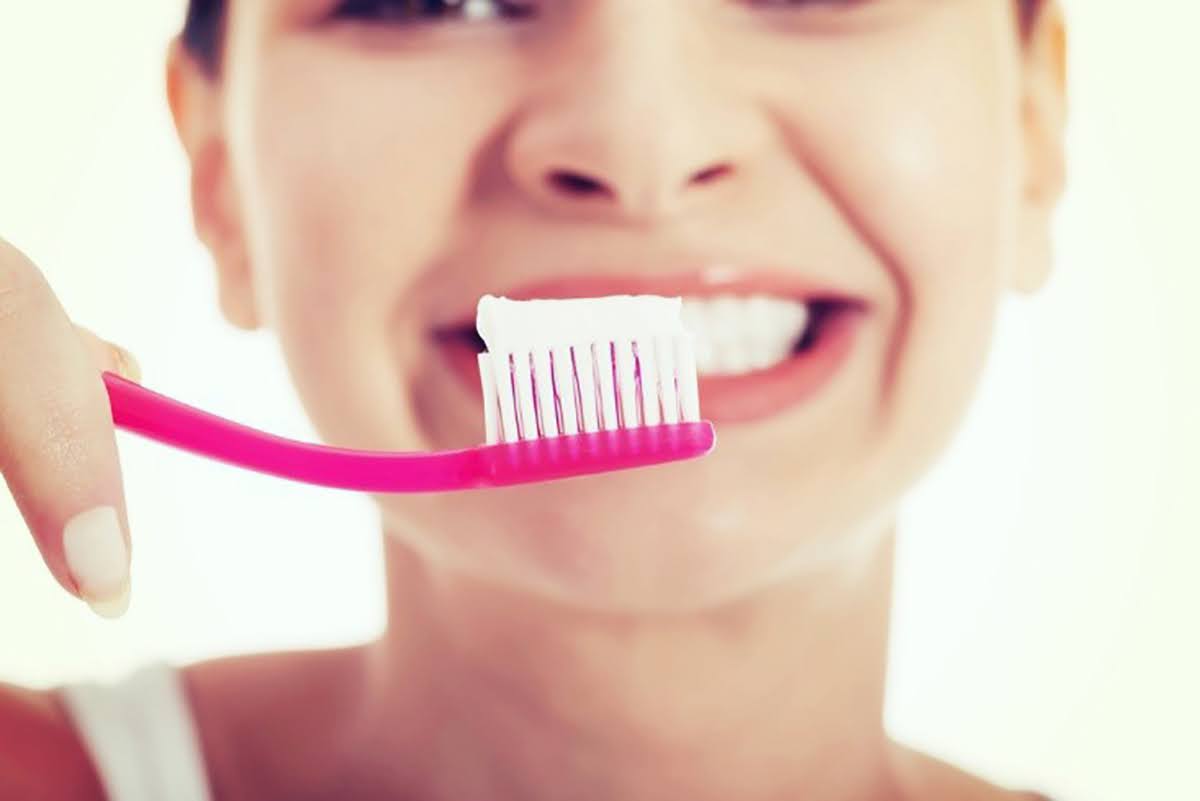
Is brushing every day enough to remove calcium deposits?
Maintaining oral hygiene on a daily basis is definitely the primary prerequisite for healthy teeth, but it is by no means sufficient when it comes to dental calcium deposits. Brushing your teeth at least twice a day and using mouthwash, floss and an interdental brush help maintain the oral cavity and its hygiene, but this is unfortunately not sufficient. As it happens, many bacteria and microorganisms exist in your mouth and become attached to your teeth, specifically the enamel.
What is the difference between plaque and tartar?
Plaque refers to deposits of bacteria that form on the surface of your teeth just a couple of hours after brushing. These plaque deposits help bacteria become attached to your teeth but also cause problems with your gums.
Tartar is hardened deposit on your tooth or teeth, which often affects their color. Tartar contains many acid-producing bacteria. These acids affect the enamel and are very often the primary cause of tooth decay. Tartar results from plaque, which means that plaque is actually the cause of tartar.
What to do when you notice tartar?
When you notice tartar appearing, you should make an appointment with your dentist because this is the only way to remove these hardened deposits from your teeth.
While tartar cannot be prevented, the abovementioned good oral hygiene routines may reduce the frequency of seeing your dentist to have tartar removed. The dentist will clean tartar off your teeth and sandblast them.
What is involved in tartar removal and what does sandblasting mean?
Tartar removal is part of conservative dentistry or, to be precise, preventive dentistry. This procedure removes plaque and tartar, as well as any minor changes resulting from food or smoking.
This treatment involves using instruments that soften and eventually remove deposits on your teeth. Tartar removal is a completely painless treatment and requires no anesthesia before the procedure. Some patients may have sensitive gums, which may lead to irritation that will resolve soon after the treatment.
It is very important to have your teeth polished after removing tartar to ensure that their surface is smooth and thus less susceptible to tartar.
Many patients also ask us what sandblasting is and whether or not it is necessary as part of the tartar removal procedure. Sandblasting is a technique used to clean teeth. It involves using a machine that ejects water combined with micro-abrasive grains of sand under pressure. Dental sandblasting is intended to remove stains resulting from regular use of coffee, cigarettes, red wine or other beverages or food. Sandblasting is always performed after the tartar removal process.
It should be underlined that, unless you regularly maintain your oral hygiene and visit your dentist, tartar and plaque may lead to serious gum disease or even loss of teeth. Do not skip your regular appointments and checkups with your dentist and maintain your oral hygiene at a high level!