Slovenščina
 Hrvatski
 Italiano
 Deutsch

How to Prevent Tooth Decay? A Guide to Maintaining Healthy Teeth in Adulthood
How to Prevent Tooth Decay? A Guide to Maintaining Healthy Teeth in Adulthood

We are happy to share our knowledge with you and through expert advice we want to educate you about the importance of oral health care and the possibilities that modern dentistry offers you at our center. Get in touch with us on +385 1 4059 749 or you can reach us on our free UK number at +44 800 08 68 414. You can also email us at info@drstimac.com.
What Is Tooth Decay and How Does It Develop?
Tooth decay is the gradual destruction of tooth structure caused by bacteria found in dental plaque. These bacteria break down sugars from food and produce acids that erode tooth enamel. If left untreated, the damage can spread to the deeper layers of the tooth, leading to pain, infection, and the need for more complex dental treatments.
The Most Important Steps to Prevent Tooth Decay in Adults
1. Maintain Proper Oral Hygiene
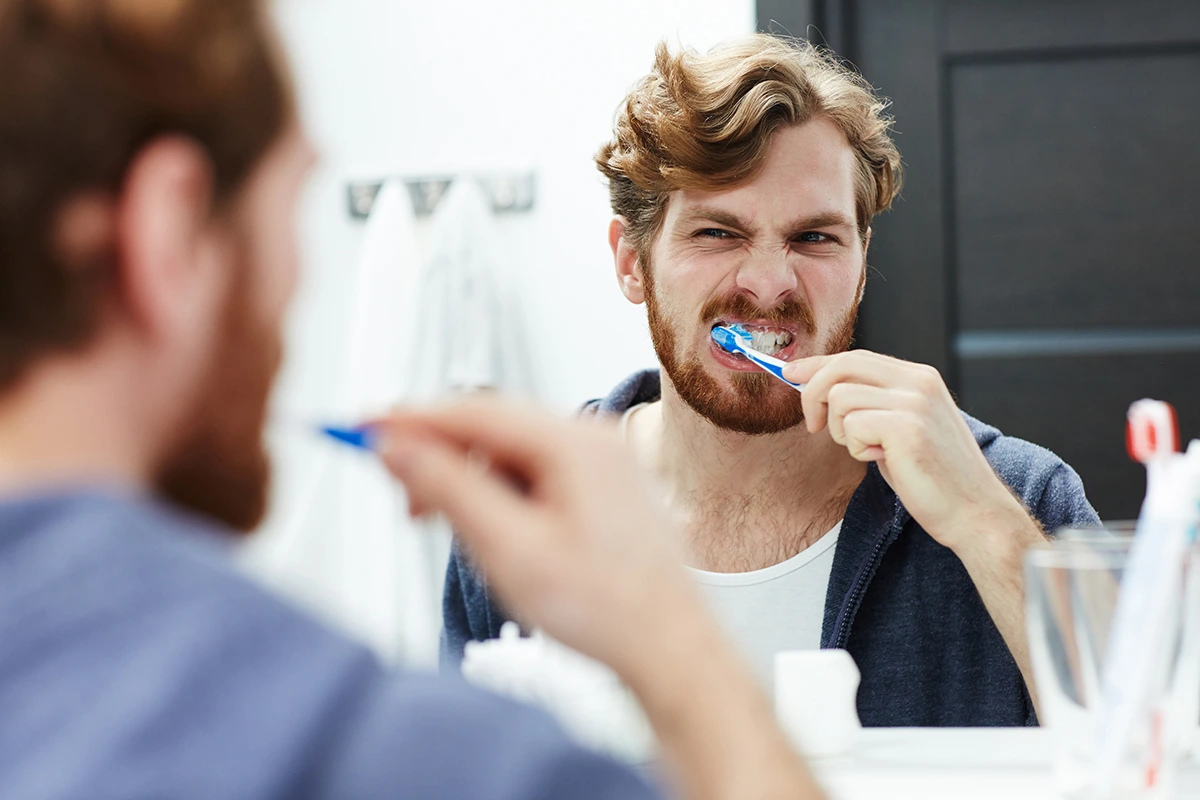
The foundation of cavity prevention is regular and effective oral hygiene. It is recommended to:
- Brush your teeth at least twice a day.
- Use fluoride toothpaste.
- Clean between your teeth with dental floss or interdental brushes.
- Use an antibacterial mouthwash when recommended.
Many people brush their teeth regularly but neglect the spaces between them, which are often the areas where cavities begin to develop.
2. Reduce Sugar Consumption
The frequency of sugar intake is often more important than the total amount consumed. Every time you eat sugary foods or drink sweetened beverages, bacteria in your mouth produce acids that attack your teeth.
Pay special attention to:
- Soft drinks and energy drinks
- Sweetened coffee and tea
- Frequent snacking between meals
- Sweets and processed foods high in sugar
Ideally, sugary foods should be consumed as part of a main meal rather than throughout the day.
3. Drink Plenty of Water
Water helps wash away food particles and supports a healthy balance in the oral cavity. It also stimulates saliva production, which plays a crucial role in protecting teeth from decay.
People who suffer from dry mouth are at a higher risk of developing cavities because reduced saliva flow limits the mouth’s natural protective mechanisms.
4. Don’t Skip Regular Dental Check-Ups
In its early stages, tooth decay often causes no noticeable symptoms. Regular dental examinations allow problems to be detected and treated before significant damage occurs.
Preventive dental visits are generally recommended at least once or twice a year, depending on your individual oral health needs and risk factors.

5. Schedule Professional Dental Cleanings
Dental plaque and tartar provide an ideal environment for harmful bacteria to thrive. Professional dental cleanings help remove these deposits, support healthy gums, and significantly reduce the risk of tooth decay.
Additional Risk Factors for Adults
Adults may face several additional factors that increase the likelihood of developing cavities, including:
- Receding gums and exposed tooth roots
- Dry mouth caused by medications or medical conditions
- Smoking
- Dental restorations, crowns, bridges, or orthodontic appliances
- Infrequent dental visits
For this reason, cavity prevention should be tailored to each patient’s individual risk profile and oral health condition.
What About Children?
Children should also develop good oral hygiene habits early and attend regular dental check-ups to reduce the risk of tooth decay.
Prevention Is Always the Best Treatment
In most cases, tooth decay can be prevented through simple daily habits and regular professional care. Preventive dentistry not only protects your oral health but also helps you avoid more extensive and costly treatments in the future.
If you are thinking about improving your health and feeling better in your own skin, this is the perfect time to start. Contact us at +44 800 0868 414 (free calls from UK) or +385 1 4059 749, via email at info@drstimac.com, or fill out our online form.

Elena Štimac Vukojević